Giridih's Biodiversity Hotspots
Giridih is home to significant ecological zones. Key areas include the Parasnath Wildlife Sanctuary, a haven for diverse species around the sacred hill; Khandoli Lake, an important site for resident and migratory birds; and the Usri Forest Area, known for its scenic beauty and local fauna. An interactive map showcasing these zones with detailed information on endemic species, terrain, and eco-tourism value is under development.
Parasnath Wildlife Sanctuary
Rich in flora and fauna, surrounds the sacred Parasnath Hill.
Khandoli Lake & Forest Area
Important for birdwatching, especially migratory birds, and recreational activities.
Usri Forest Area
Known for its scenic beauty and the Usri Falls, supporting local wildlife.
(Interactive map feature with species details coming soon)
Giridih’s forests are part of the Chota Nagpur Plateau’s ecological landscape, dominated by tropical dry deciduous forests. These forests support biodiversity and livelihoods via non-timber products like Tendu leaves, honey, and medicinal herbs.
Key Floral Species:
- Sal (Shorea robusta) – Dominant tree
- Mahua
- Teak
- Bamboo
- Palash
- Kusum
- Simul
- Asan
- Kend
- Harra
- Bahera
Wildlife Diversity
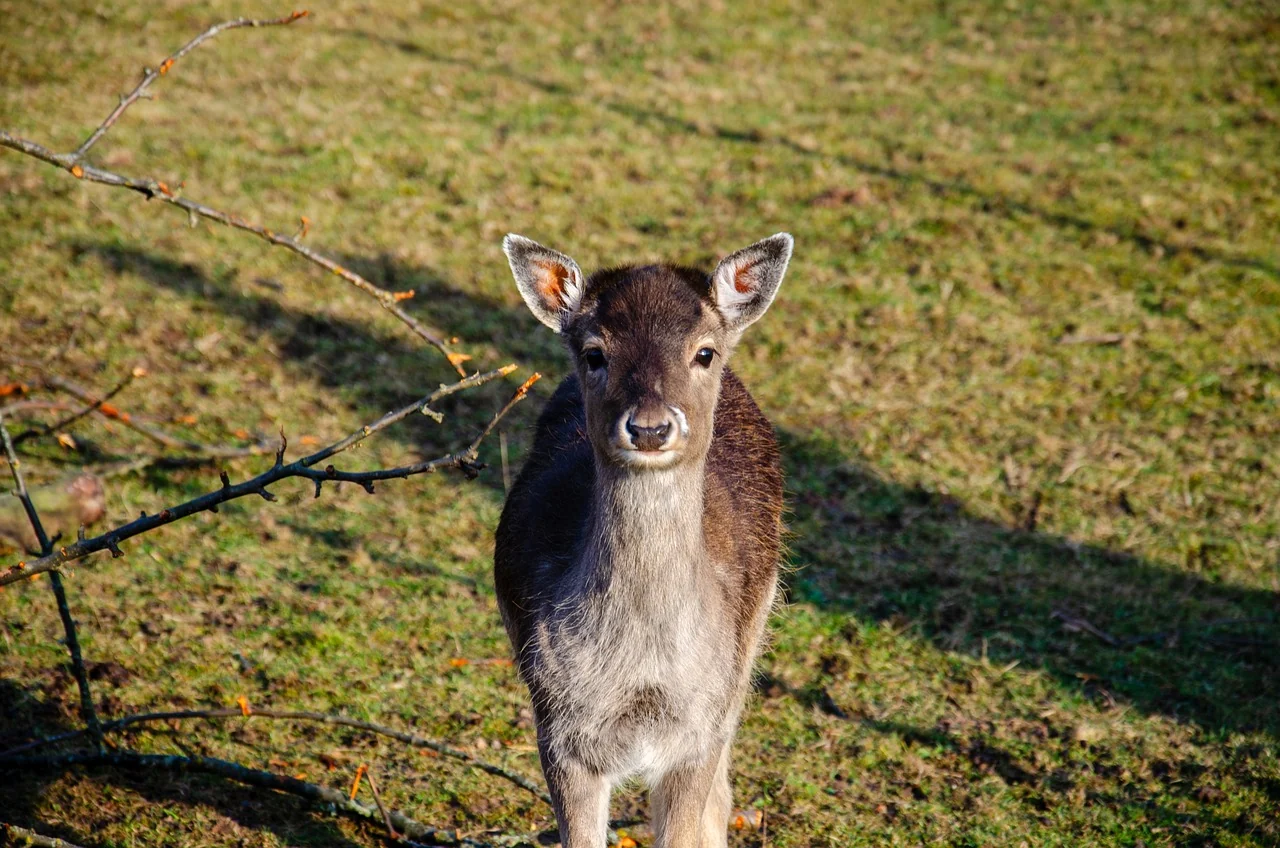
Giridih is home to several mammals, reptiles, and avian species, reflecting its ecological diversity and indicating a relatively healthy forest ecosystem. Common sightings include various deer species, langurs, and wild boars. More elusive animals like leopards and sloth bears also inhabit these forests.
Leopard
Sloth Bear
Sambar Deer
Nilgai
Barking Deer
Wild Boar
Langur
Jungle Cat
Mongoose
Hyena
Porcupine
Indian Fox
Bird watchers will love Giridih’s natural settings, especially around Khandoli Lake, which is a haven for avian species. Khandoli is particularly vibrant between November and February when migratory birds arrive, adding to the resident bird population.
Notable Bird Species:
Indian Peafowl
National bird, often seen in forest peripheries.
Red Junglefowl
Wild ancestor of domestic chicken, found in forests.
Gray Francolin
Common ground-dwelling bird.
Spotted Dove
Familiar dove species.
Green Pigeon
Often seen in fruiting trees.
Siberian Duck (Winter Migrant)
Various duck species migrate from Siberia.
Brahminy Shelduck (Winter Migrant)
Distinctive migratory waterfowl.
Bar-headed Goose (Winter Migrant)
High-altitude migratory geese.
Kingfishers
Multiple species found near water bodies.
Woodpeckers
Various species inhabit the forests.
(Detailed bird gallery and seasonal watching tips coming soon)
Located around the sacred Parasnath Hills, this 49.33 sq. km sanctuary offers dense forest cover and a rich mix of fauna, including leopards, sloth bears, and various deer. It's a unique hotspot where nature trails and spiritual pilgrimage routes converge, making it vital for both ecological balance and cultural heritage.
Sanctuary Highlights:
- Key animals: Leopard, Sloth Bear, Sambar, Porcupine, Nilgai.
- Rich in avian diversity and various reptiles.
- Nature trails intertwine with spiritual pilgrimage routes leading to Shikharji.
- Offers opportunities for eco-tourism and responsible wildlife viewing.
Conservation Efforts
The Jharkhand Forest Department, along with local communities and NGOs, implements several initiatives to protect and preserve Giridih's rich biodiversity and ensure sustainable use of forest resources. These efforts aim to balance ecological needs with the livelihoods of forest-dependent communities.
Anti-poaching patrols & forest monitoring
Afforestation, nursery programs & habitat restoration
Community-led forest protection committees (Van Suraksha Samitis)
Wildlife census, biodiversity data gathering & research
Awareness campaigns on human-wildlife conflict mitigation